

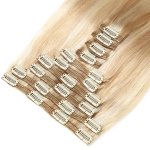
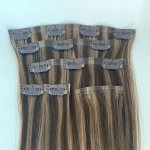
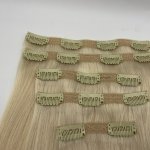



Wholesale Hair Extensions: A Complete Buying Guide for Salons & Hair Brands
Buying wholesale hair extensions is very different from purchasing extensions for personal use.
Salons, distributors and hair extension brands need to consider not only appearance and price, but also consistency, product specifications, color availability, manufacturing capacity and long-term supply.
Whether you are starting a hair extension business or looking for a new wholesale hair extension supplier, this guide explains what you should know before placing your next order.
What Are Wholesale Hair Extensions?
Wholesale hair extensions are extensions purchased in larger quantities by professional buyers such as:
Hair extension brands
Distributors
Wholesalers
Professional salons
Extension specialists
Beauty supply businesses
Online hair retailers
Buying directly from a hair extension manufacturer can allow professional buyers to access more customization options and build product specifications for their own markets.
What Types of Hair Extensions Can You Buy Wholesale?
Different markets require different application methods.
A professional wholesale supplier may offer:
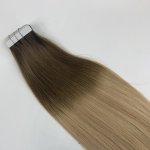
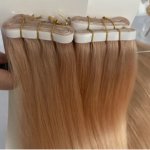
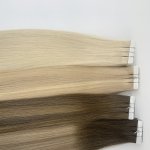
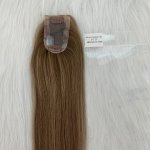
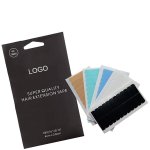
Tape-In Hair Extensions
Tape-in extensions remain a popular salon product because they are relatively quick to install and easy for stylists to work with.
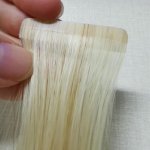
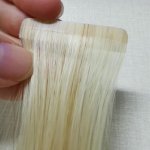
Invisible Tape Hair Extensions
Invisible tape designs aim to create a less visible attachment area when installed correctly.
Genius Weft
Genius wefts have become an important category for extension professionals looking for thin and flexible weft construction.
Machine Weft
Machine wefts provide durable construction and can be suitable for a variety of installation techniques.
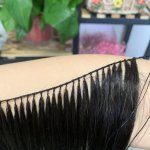
Hand-Tied Weft
Hand-tied wefts are commonly selected by professional extension specialists who prefer lightweight weft systems.
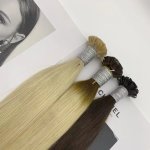
Keratin Extensions
Keratin extensions provide individual strand placement and can be customized according to the client's hair.
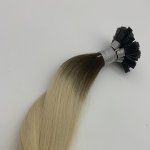
I-Tip and Nano Extensions
Individual-strand extensions are another important category for professional salons.
Human Hair Quality Matters
One of the biggest differences between wholesale suppliers is hair quality.
When comparing products, professional buyers should examine:
Softness
Hair direction
Cuticle condition
Thickness
Ends
Shedding
Tangling
Color
Wash performance
Styling performance
A sample may look beautiful when it first arrives but behave differently after several washes.
For this reason, professional buyers should perform repeated wash tests before placing large orders.
Recommended image: RenaiHair before-and-after wash test
Image ALT:
wholesale human hair extensions wash test
Choosing the Right Length and Weight
Wholesale buyers should build a product range according to their target market.
Popular lengths can vary considerably between countries and customer groups.
Instead of stocking every possible specification immediately, new brands can start with their strongest expected combinations of:
Method × Length × Weight × Color
and expand based on actual sales data.
This can reduce inventory pressure while allowing the brand to understand customer preferences.
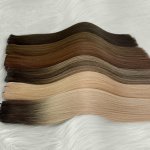
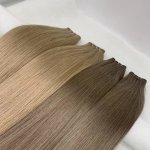
Building a Hair Extension Color Range
Color inventory is one of the biggest challenges for extension businesses.
Professional buyers may need:
Natural colors
Brown shades
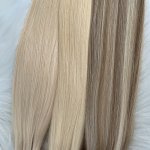
Blonde shades
Ash shades
Highlighted colors
Balayage colors
Ombre colors
A physical color ring can make communication between salons, distributors and suppliers much easier.
Recommended image: RenaiHair Color Ring
Image ALT:
wholesale hair extensions color ring
When evaluating a manufacturer, ask how they maintain color consistency between production batches.
Private Label Hair Extensions
If you want to build your own hair extension brand, ask your supplier about private label hair extensions.
Depending on manufacturing requirements, customization may include:
Brand logo
Packaging
Length
Weight
Color
Texture
Tape specifications
Weft specifications
Custom product cards
Color rings
Private labeling allows businesses to develop a more recognizable and differentiated product line.
How to Test Wholesale Hair Extension Samples
Before placing a bulk order, create a repeatable testing process.
Step 1 — Initial Inspection
Check color, length, weight, smell, texture and construction.
Step 2 — Wash Test
Wash and condition the hair according to your normal salon procedure.
Step 3 — Drying Test
Evaluate how the hair behaves after natural or controlled drying.
Step 4 — Styling Test
Test straightening and curling under appropriate professional temperatures.
Step 5 — Shedding and Tangling Evaluation
Observe whether shedding or tangling increases after repeated washing.
Step 6 — Salon Wear Test
Whenever possible, install the product on a test client or model and monitor real-world performance.
Documenting these results can help you compare different suppliers objectively.
Factory Quality Control
Wholesale buyers should understand how their supplier controls production.
At RenaiHair, quality control can cover different stages of production, from incoming materials to finished extensions.
Recommended images:
Raw hair inspection
Hair coloring process
Extension production
Weight inspection
Finished product QC
Packaging inspection
Image ALT examples:
hair extension factory quality control
human hair extension manufacturing process
wholesale hair extension inspection
Real manufacturing images are particularly useful for professional buyers because they demonstrate the process behind the finished product.
Manufacturer vs Trading Company
There is no universal rule that one is always better.
However, working with a manufacturer can be valuable when your business requires:
Product development
Custom specifications
Private labeling
Large-volume production
Stable repeat orders
Quality control requirements
The important question is whether your supplier can consistently meet your business requirements.
How to Choose a Wholesale Hair Extension Supplier
Before making your decision, evaluate:
Hair quality
Product consistency
Color consistency
Product range
QC procedures
Customization capability
Minimum order requirements
Production capacity
Communication
Lead times
After-sales support
Do not evaluate suppliers solely by price.
For a professional hair business, consistent quality and reliable supply can be more important to long-term profitability than a small difference in unit cost.
Frequently Asked Questions
Where can I buy wholesale hair extensions?
Wholesale extensions can be purchased from manufacturers, distributors and specialized wholesale suppliers. Professional buyers should compare samples and supplier capabilities before placing bulk orders.
Can I put my own brand on hair extensions?
Yes, many manufacturers offer private-label and OEM services, subject to product and order requirements.
Should I order samples first?
Yes. Samples allow you to test hair quality, color, construction and performance before committing to a larger wholesale order.
What type of hair extension should I sell?
This depends on your target customers. Salons may require several professional application systems, while online brands may focus on a smaller number of high-demand products.
Wholesale Hair Extensions from RenaiHair
RenaiHair works with professional buyers looking for human hair extension products, customization and private-label solutions.
Whether you operate a salon, distribution business or your own extension brand, you can contact RenaiHair to discuss product specifications and request samples before moving to larger orders.