
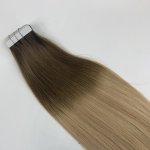
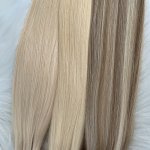

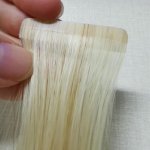
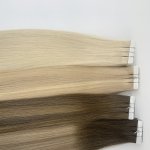





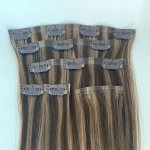

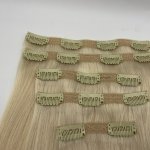
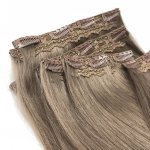
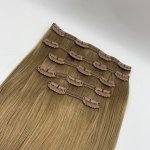
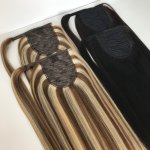
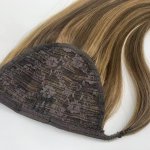

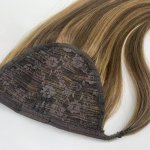
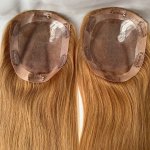







Hair Topper Wholesale: How to Choose Human Hair Toppers for Your Business
The market for human hair toppers has expanded as more customers look for lightweight and natural-looking solutions that add coverage and volume without wearing a full wig.
For salons, hair replacement studios, distributors and online hair businesses, choosing the right hair topper wholesale supplier requires an understanding of both the hair and the topper construction.
This guide explains the key factors professional buyers should consider.
What Is a Hair Topper?
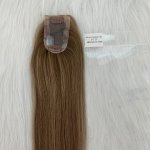
A hair topper is a wearable hairpiece designed to cover a specific area of the top of the head.
Unlike a full wig, which covers most or all of the scalp, a topper blends with the wearer's existing hair.
Depending on its size and construction, a topper can help create the appearance of additional:
Volume
Density
Length
Coverage
Because customers have different coverage requirements, hair toppers are available in multiple base sizes, lengths, densities and colors.
Human Hair Toppers vs Synthetic Hair Toppers
One of the first decisions buyers make is whether to offer human hair or synthetic toppers.
Human Hair Toppers
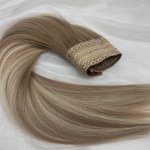
Human hair toppers provide natural movement and can generally offer more styling flexibility.
Depending on the product specifications and care instructions, human hair may be washed and styled in ways similar to natural hair.
This makes human hair toppers wholesale particularly relevant for professional salons and hair businesses serving customers who prioritize a natural appearance and styling versatility.
Synthetic Hair Toppers
Synthetic toppers can provide convenient styling and may require less day-to-day restyling, depending on the fiber.
However, styling possibilities and heat resistance vary significantly between synthetic materials.
Businesses should choose between human and synthetic hair based on their target customers and price positioning.
Understanding Hair Topper Base Construction
The base is one of the most important parts of a topper.
Different base constructions create different levels of coverage, ventilation and styling flexibility.
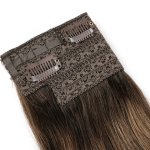
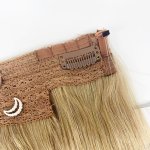
Common materials and constructions can include lace, mono and silk-style bases, as well as combinations of different materials.
When selecting products from a hair topper supplier, consider:
Base size
Base material
Hair density
Parting area
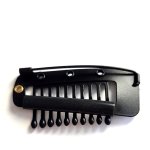
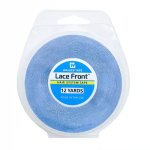
Attachment method
Front appearance
Ventilation
Professional buyers should request detailed specifications before ordering.
Choosing the Right Base Size
Different customers require different coverage areas.
A smaller topper may be selected primarily for targeted volume, while a larger base can provide broader coverage across the top of the head.
For wholesale buyers, offering several base sizes can make it easier to serve customers with different requirements.
Product pages should clearly display the dimensions of each topper so salons and customers can understand the coverage area before purchasing.
Choosing Hair Topper Density
Density affects how full a topper appears.
Too much density may make a topper difficult to blend for some customers, while too little may not provide the desired result.
Rather than treating higher density as automatically better, professional buyers should select density based on the intended customer and the design of the topper.
A natural blend with the customer's existing hair should remain the priority.
Color Selection Matters
Color matching is essential for hair toppers because the topper must blend with the wearer's natural hair.
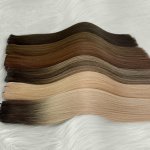
A professional wholesale collection may include:
Black
Dark brown
Medium brown
Light brown
Blonde
Rooted shades
Highlighted shades
Dimensional blends
Providing accurate color photos and, where possible, physical color rings can make professional consultations easier.
What Should Businesses Look for in a Hair Topper Supplier?
When evaluating a human hair topper supplier, professional buyers should consider more than the initial appearance of the product.
Important factors include:
Hair Quality
Evaluate how the hair feels and behaves before and after washing.
Base Construction
Inspect the base carefully, including stitching, ventilation, clips and the overall finish.
Color Consistency
Repeat orders should remain as consistent as reasonably possible.
Product Range
Multiple lengths, colors and base sizes allow businesses to serve a wider customer base.
Customization
For distributors and private-label businesses, customization can help create a differentiated product range.
Why Sample Testing Matters
Before placing a larger wholesale order, request samples whenever possible.
Evaluate both the hair and the complete topper construction.
Consider testing:
Washing
Blow-drying
Styling
Parting
Clip security
Shedding
Hair movement
Base comfort
Color appearance in natural light
Documenting these tests makes supplier comparisons easier.
Wholesale Hair Toppers for Salons and Distributors
The best wholesale assortment depends on the customers your business serves.
A salon may prefer a carefully selected range of popular colors and sizes, while a distributor may require a much broader catalog.
RenaiHair works with professional hair businesses looking for human hair extensions and hair topper solutions.
Wholesale buyers can contact RenaiHair to discuss available products, specifications, samples and business cooperation.
Frequently Asked Questions
What is the difference between a hair topper and a wig?
A topper is designed to cover a targeted area and blend with existing hair, while a wig generally provides much more extensive coverage.
Are human hair toppers suitable for salons?
Human hair toppers can be a useful product category for salons and hair replacement professionals because they provide styling and customization possibilities.
What should I check before buying hair toppers wholesale?
Check the hair quality, base construction, size, density, color options, attachment system and consistency of the supplier's products.
Can hair toppers be customized?
Customization depends on the manufacturer or supplier. Professional buyers should ask about available base sizes, lengths, colors, densities, packaging and private-label options.